

Orientation Field
Many arrive here after significant movement. Over time, shared perspective creates a new level of connection.
A private space for deeper Landowner Notes — written guidance created to support clarity, hosting, and the ongoing relationship between people and land. These notes are intended to be returned to over time. Read slowly. Apply practically. Let understanding unfold in its own rhythm.
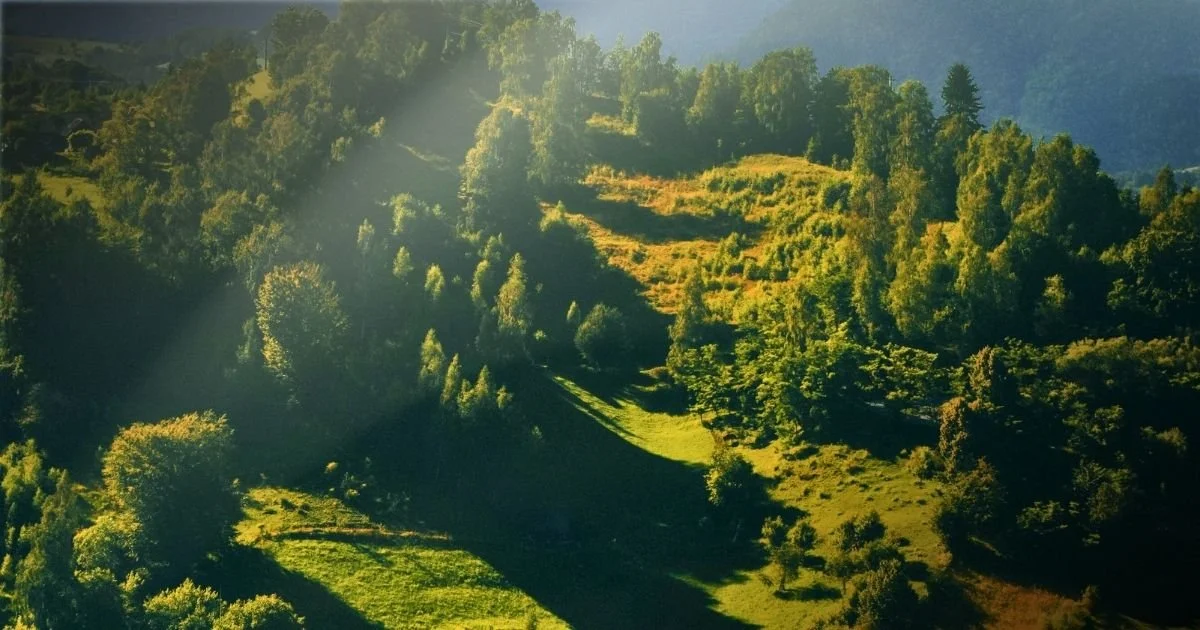
Landowner Notes
Landowner Notes are thoughtful writings for those navigating relocation, settling into land, hosting, and evolving the relationship between place and future. These reflections exist to offer grounded perspective and to help landowners feel more settled, more aware, and more aligned with how their property is truly lived in.
Notes are released regularly and organized as a living collection of orientation writing. The most recent remain visible together, allowing readers to move through a full season of thought and reflection without interruption.
Feel free to get right into the articles below and to submit your needs and desires for a future article here.
Making Friends With the Move
Orientation for Land, Community, and the Future Already Forming
Right now, many people are in motion. Some are relocating across states. Others are reshaping their lives within familiar places but feeling the ground shift beneath them all the same. Land is being purchased, reconsidered, and inhabited in new ways. Communities are quietly rearranging themselves — not loudly, but undeniably.
What often goes unspoken is this: A move is not only logistical. It is relational. You are not simply arriving somewhere new — you are entering an ongoing conversation with land, rhythm, and the future you are stepping toward.
Within One Nines, orientation is never about rushing forward. It is about learning to stand where you are with clarity first. Because you choose to. It’s perfectly normal - and OK - for the choice to be made, by you, before you experience greater clarity. In fact, that’s how it typically works.
The same principle applies to land ownership and relocation. The relationship begins the moment you arrive — long before plans are finalized or directions become obvious. The real question is not whether change is happening. The question is how you choose to meet it.
Land Reveals Itself Gradually
Many new landowners expect immediate certainty. They want to know where to host, what to build, how to shape the property, and who to trust. But land rarely offers clarity all at once. It asks for observation before action. The first season — sometimes the first year — is an orientation period, not a performance period.
Walk the land without an agenda. Notice where light rests longest. Notice where conversation naturally settles when people visit. Notice what feels steady — and what remains quiet. Clarity arrives through lived experience more often than through force.
Movement Is Also a Social Transition
Relocation is rarely only about geography. It changes how you relate to people, time, and belonging. Many landowners believe they need to “find their community” quickly. In reality, community often emerges through presence rather than pursuit. Familiarity grows through small rhythms — returning to the same spaces, noticing the same faces, allowing relationships to form naturally.
You do not need to define your place immediately. You begin by becoming visible where you are. That visibility becomes the foundation of future connection.
Hosting Begins Before Anyone Arrives
For those drawn to gatherings, retreats, or shared space, hosting often feels like a future goal. Yet hosting starts long before invitations are sent. Hosting begins with how you inhabit your land when no one else is there. Is the space calm? Does it hold conversation without effort? Does it feel lived-in rather than arranged?
When you make friends with your land first, hosting becomes an extension of relationship rather than a role you must perform.
Orientation Before Expansion
The current wave of movement reflects a broader shift toward intentional living. People are choosing land, community, and future direction more consciously than before. Orientation asks simple but powerful questions:
Where am I actually standing?
What does this place need from me right now?
What wants to grow here — slowly, without pressure?
These questions do not require urgency. They require presence.
Making Friends With the Future
A move can feel like a break from what came before. But it can also be an invitation. Making friends with the future does not mean predicting it. It means allowing yourself to meet it without resistance.
Walk your land slowly. Let community form in honest ways. Notice where your energy settles naturally. Over time, what once felt unfamiliar becomes lived-in. And what once felt uncertain begins to feel like home.
Landowner Notes are part of an ongoing orientation practice — practical reflections for those navigating land, hosting, and the evolving relationship between place and future. We hope you have enjoyed this article and invite you to submit your needs and desires for a future article here.
The Second Season: When the Land Starts Talking Back
The first months on new land often feel decisive.
Plans are made. Improvements begin. The property feels like a blank page waiting for direction. But somewhere between the first season and the next, something shifts. The land stops feeling new — and begins to reveal its own rhythm. This is the point many landowners quietly struggle with. Not because anything is wrong, but because ownership starts to move beyond acquisition and into relationship.
The second season is where orientation truly begins.
The End of the Honeymoon Phase
Early decisions are usually driven by momentum. New owners bring energy, vision, and urgency. They want to improve, shape, or accelerate the land into alignment with their plans. But land moves at a different pace.
Weather patterns become clearer. Access points behave differently than expected. Areas that felt right in one season reveal new realities in another. What once felt like control becomes observation. And that’s not a loss — it’s progress.
When the Land Starts Responding
By the second season, many owners begin to notice subtle feedback:
spaces that naturally draw people
areas that feel quieter or resistant to activity
routines that settle easily into place
decisions that feel heavier than anticipated
None of this requires mystical language. It is simply awareness. Land reveals itself through use, time, and attention. The longer you live with it, the more it shows what wants to be supported — and what wants to be left alone.
Adjusting Without Forcing
Some of the strongest land decisions are not made through expansion but through refinement. Instead of asking “What should I add” the better question often becomes: “What already works here — and how do I support it?”
Second-season clarity tends to reward patience:
paths emerge naturally through repetition
gathering spaces become obvious
certain plans lose their urgency
When owners allow these adjustments to happen, the land begins to feel less like a project and more like a place.
Orientation Over Ownership
Ownership grants authority. Orientation builds relationship. The second season is where many landowners move from directing the property to listening to it — not symbolically, but practically. They begin to notice how decisions ripple outward: how hosting feels different depending on timing, how certain improvements bring ease while others create friction, and how presence matters more than perfection.
This is the quiet turning point. The land stops being something to manage — and starts becoming something lived with.
A Steady Pace Forward
There is no rush to define the future of a property within its first year. Most land reveals its long-term potential slowly. Allowing that process to unfold doesn’t mean stepping back from leadership. It means leading from observation rather than assumption.
The second season is not about proving the original vision right. It’s about letting the next layer of clarity arrive — one decision at a time.
Hosting Without Performance: Preparing Land for People
Many landowners imagine hosting as an extension of hospitality — an opportunity to create memorable experiences for guests.
But land-based hosting works differently than entertaining in a home. On land, people don’t just visit the owner. They encounter the environment itself. And when hosting is approached as performance, the land often feels strained — even if the event appears successful on the surface. The strongest gatherings happen when land and people are allowed to meet each other naturally.
Hosting as Stewardship
Hosting is less about impressing and more about guiding.
Stewardship asks:
Where do people naturally gather?
What spaces invite movement — and which require protection?
How much activity does the land genuinely support at this stage?
When owners begin from these questions, hosting becomes quieter, more intentional, and far less exhausting. The goal shifts from creating an event to allowing an experience.
Designing Flow Instead of Control
Land does not respond well to rigid structure. Guests instinctively move toward light, openness, and ease. Trying to control every detail often creates tension for both the host and the environment.
Instead of over-planning:
define clear entry points
establish natural gathering areas
allow space for pauses and transitions
Simple adjustments — a well-placed seating area, a clear walking path, thoughtful lighting — can shape the entire experience without overwhelming the land.
Privacy Without Isolation
Many landowners struggle with the balance between welcoming others and protecting their own space. Hosting does not require full access to the property. In fact, defining boundaries creates a stronger sense of safety for everyone involved.
Consider:
visible but gentle transitions between public and private areas
designated hosting zones that leave portions of the land untouched
smaller gatherings that build familiarity before expansion
When boundaries are clear, hosting feels grounded rather than performative.
Preparing Yourself as the Host
Land readiness matters — but so does owner readiness. Hosting from obligation or pressure rarely feels aligned. The most meaningful gatherings happen when the host feels settled in their own relationship with the property. That might mean waiting until routines feel stable. It might mean starting with a single guest instead of a large group. There is no ideal timeline. Only a steady progression toward comfort.
When Hosting Becomes Natural
Over time, hosting stops feeling like an event and begins to feel like an extension of daily life. Guests notice when a property is lived in rather than staged. They move more gently. Conversations deepen. The atmosphere becomes less about entertainment and more about shared presence. This is where land hosting finds its strength: not in performance, but in authenticity. And when hosting arises from that place, the land itself becomes part of the experience — without needing to be explained.
Why Some Moves Feel Right — and Others Don’t
Relocation is often described in practical terms — housing, geography, opportunity, timing. Yet many people notice something harder to explain once the move is complete. Two places can look equally promising on paper. One feels immediately grounded. The other never quite settles.
This difference is rarely about perfection. It’s about fit.
Internal Momentum vs Environmental Reality
Some moves begin from clear internal direction. Others begin from pressure — a job change, a market shift, a desire to escape what came before. Both can be valid. But the experience afterward often reveals the difference between moving toward something and moving away from something. Land tends to magnify that distinction.
When internal momentum and environment align, routines begin forming naturally. The property feels workable. Decisions carry less friction. When they don’t, people may find themselves constantly adjusting — changing plans, rethinking direction, searching for something that feels just out of reach. The solution is not always another move. Sometimes it is a shift in how the current place is approached.
Expectations vs Reality
Many relocations carry invisible expectations:
that life will slow down
that community will appear quickly
that clarity will arrive with geography
But land rarely delivers transformation instantly. Instead, it reveals what was already present — habits, pace, and decision-making patterns that travel with the owner. When expectations soften, the environment often begins to feel more workable.
Recognizing the Signs of Alignment
Alignment doesn’t look dramatic. It shows up in small moments:
daily routines feel sustainable
hosting feels possible rather than forced
decisions become clearer with time instead of heavier
A move that “feels right” usually allows for steadiness. A move that doesn’t may still hold potential — but often requires a slower process of orientation rather than immediate reinvention.
The Role of Time
Many relocators underestimate how long orientation truly takes. Land introduces new rhythms — seasonal shifts, environmental patterns, social dynamics — that only reveal themselves through lived experience. Rather than judging a move too quickly, it can be useful to ask:
What has become easier since arriving here?
What feels grounded — even if unfinished?
Clarity tends to emerge through use, not analysis.
Staying with the Process
Not every move will feel perfect. But many become right over time — not because the environment changes, but because the relationship with it deepens. Orientation asks less about whether a place is ideal and more about how it can be lived in honestly. And often, that shift in perspective is what turns relocation into belonging.
The First Year on Land: What No One Explains
The first year on land carries a quiet weight. It is filled with decisions — where to walk, where to gather, how to shape routines — yet much of what matters most remains invisible.
Many owners expect the first year to define the future of a property. In reality, the first year is rarely about mastery. It is about observation.
The Pace of Land vs the Pace of Life
Most people arrive carrying the momentum of their previous environment. Schedules are faster. Expectations are sharper. Plans feel urgent. Land moves differently. Weather reshapes plans. Light changes how spaces are used.
Social rhythms unfold slowly rather than on demand. What feels like stagnation is often adjustment. When owners allow their pace to match the environment, decisions begin to feel less forced.
Emotional Shifts Few Talk About
Relocation often brings unexpected emotional changes:
a temporary sense of disconnection
shifts in identity
quieter social circles than anticipated
None of these indicate failure. They reflect transition. The first year is where people move from imagining life on land to actually living it — and that adjustment can feel unfamiliar even when the decision itself was right.
Relationship Changes
Land influences relationships more than most people expect. Family dynamics shift. Friendships evolve. New boundaries form around time and availability. Some connections deepen through shared experience. Others naturally step back.
Rather than resisting these changes, many landowners find steadiness by allowing relationships to adapt at their own pace.
The Power of Small Decisions
Large projects rarely define the first year. Instead, it is small choices that shape the long-term feel of a property: where morning routines settle, which paths become familiar, and how guests are welcomed — or not. These choices accumulate quietly, forming the foundation for future direction.
A Year of Orientation, Not Evaluation
The first year is not a test. It is a season of learning. When owners treat it as orientation rather than judgment, the pressure to get everything right begins to dissolve. And as that pressure lifts, the land often reveals its long-term rhythm naturally.
Community Without Losing Independence
Relocation often brings a quiet question that few people say out loud: How do I connect without losing the freedom I came here for? Many landowners move with a clear desire for autonomy. Space matters. Pace matters.
The ability to think and live without constant interruption is often part of what drew them toward land in the first place. Yet over time, most people discover that complete isolation is not the goal either. They want conversation, shared experience, and a sense of mutual recognition — just not obligation.
The balance between independence and community rarely appears immediately. It develops slowly, through rhythm rather than intention.
Independence as Foundation — Not Distance
Independence does not mean withdrawal. On land, independence often looks like clarity: knowing when to engage, knowing when to step back, and allowing relationships to form without pressure.
Many relocators assume that building community requires immediate involvement — attending every gathering, introducing themselves widely, or trying to integrate quickly. In reality, the strongest connections tend to emerge from steadiness rather than effort. A wave from a distance. A short exchange at the gate. A practical conversation about land, weather, or access.
These moments create familiarity without demanding more than feels natural.
The Difference Between Connection and Obligation
One of the reasons independence can feel threatened after a move is the subtle pressure to belong somewhere new. Community on land, however, rarely functions through formal structure. It grows through shared rhythm — people noticing each other over time rather than committing to immediate closeness.
Connection feels light. Obligation feels heavy. Learning to recognize the difference protects both autonomy and relationship. It allows landowners to remain open without overextending themselves into roles that don’t align with how they want to live.
Quiet Participation
Many experienced landowners participate in community quietly. They may attend selectively. They host rarely but intentionally. They show up in ways that feel consistent rather than performative. This approach often creates deeper respect over time.
Instead of being known for constant presence, they become known for steadiness — a form of leadership that emerges naturally rather than being declared. Quiet participation also allows independence to remain intact. The property stays a place of restoration, not a stage that must be maintained.
Boundaries That Invite Connection
Paradoxically, clear boundaries often make community easier. When guests understand where they are welcome, interactions feel more comfortable. When owners know their space is protected, they engage more openly.
Boundaries signal confidence. They say:
This is where I meet you.
This is where I return to myself.
On land, these boundaries are rarely verbal. They exist through design — a path that leads to a shared space, a seating area that invites conversation without opening the entire property. Such structure allows independence and community to coexist naturally.
Letting Community Emerge Over Time
Perhaps the most important shift for many relocators is releasing the idea that community must happen quickly. Trust on land develops slowly.
Neighbors observe before they engage deeply. Conversations return in cycles. Familiarity grows through seasons rather than introductions alone. Allowing this pace removes pressure. It gives both independence and connection room to breathe. Over time, many landowners realize something unexpected:
They did not lose their independence by connecting with others. They strengthened it — by choosing relationships that aligned with how they wanted to live.
A Different Kind of Belonging
Community on land often feels quieter than what people left behind. It may not look like frequent gatherings or large circles of friends. Instead, it appears through small gestures — shared understanding, reliable presence, and mutual respect.
Belonging becomes less about fitting into a group and more about recognizing that others are moving through the same landscape with similar intention. Independence remains intact. Connection becomes meaningful rather than constant. And the land itself begins to feel less like a boundary — and more like a shared horizon.
Land as Infrastructure for the Life You’re Building
When people first arrive on land, they often speak about freedom. Freedom from noise. Freedom from pressure. Freedom to build something different. Over time, another realization begins to emerge — one that feels quieter but far more enduring. Land becomes infrastructure. Infrastructure is rarely dramatic. It does not demand attention. It supports life in ways that feel steady rather than exciting.
A path that allows movement without thought. A gathering space that holds conversation naturally. A routine that begins to feel dependable rather than new. These elements form slowly, almost invisibly. And yet they shape how the property functions long after the initial vision fades.
Moving Beyond the Idea of Escape
Many relocations begin with a desire to leave something behind. The pace of a previous environment. A sense of disconnection. A longing for autonomy. Land may offer relief — but it does not remain an escape for long. Daily life returns. Responsibilities settle in. Decisions begin to carry weight. This is often the moment when owners realize the property is not only a refuge. It is becoming the structure that supports everything that follows.
Thinking of land as infrastructure shifts perspective: Instead of asking what the property symbolizes, owners begin asking what it sustains.
Infrastructure Is Built Through Use
The strongest infrastructure rarely appears through planning alone. It emerges through repetition: Walking the same path each morning, hosting a conversation in the same corner of the property, or noticing which areas remain quiet and which draw people naturally.
These patterns reveal what the land supports best. Some improvements become obvious. Others lose their urgency entirely. Infrastructure grows from lived experience — not from trying to perfect the property too quickly.
Stability Over Expansion
Early ownership often carries momentum. New ideas arrive quickly. Expansion feels energizing. Infrastructure thinking invites a slower rhythm. Instead of asking “What should I add next?” it encourages questions like:
What already works without effort?
What simplifies daily life?
What will still feel relevant years from now?
This shift reduces pressure. It allows decisions to feel grounded rather than reactive. And it protects the property from becoming overbuilt before its rhythm has fully emerged.
The Role of Stewardship
As land becomes infrastructure, ownership begins to feel different. Decisions carry a sense of continuity. Hosting feels purposeful rather than experimental. Boundaries become clearer. The property stops being something to manage and becomes something that quietly supports leadership — not through authority, but through steadiness.
Stewardship grows naturally from this perspective. It asks owners to consider not only what the land offers them today, but what it will continue to offer over time.
A Foundation That Evolves
Infrastructure is never static. It adapts as routines change, relationships deepen, and new seasons arrive. A gathering space that once felt tentative may become central. A project that seemed urgent may fade into irrelevance. Allowing infrastructure to evolve gradually keeps the property aligned with real life rather than fixed expectations. And as that evolution unfolds, the land begins to feel less like an acquisition — and more like a foundation for the life that is quietly taking shape.
The Quiet Signals that a property wants to grow
Growth on land rarely arrives as a clear decision. It doesn’t begin with a blueprint or a sudden declaration that something needs to expand. More often, it appears quietly — through subtle shifts that only become obvious in hindsight. A path becomes worn without planning. Guests linger longer than expected. Spaces that once felt empty begin to hold conversation naturally. These are not instructions. They are signals. Learning to recognize them changes how landowners approach growth — moving away from forcing momentum and toward responding to what is already beginning to unfold.
Growth Does Not Announce Itself
Many people arrive on land expecting clarity to appear quickly. They look for signs that tell them when to build, when to host, or when to expand into something larger. Yet properties rarely communicate through urgency.
Instead, growth shows itself through repetition: A corner of the property becomes a natural meeting place. Conversations return to the same stretch of shade. Visitors gravitate toward a certain view without being guided there. These moments feel ordinary at first. Only later do they reveal themselves as the beginnings of something more structured. The land is not asking for immediate action — it is showing what feels alive.
The Difference Between Expansion and Emergence
Expansion is often driven by vision. Emergence is driven by observation. Expansion asks, What should this become? Emergence asks, What is already happening here? When growth emerges naturally, it tends to feel sustainable. Decisions follow lived experience rather than imagination alone.
Many new landowners begin by trying to shape the property into a finished idea. Over time, they realize that the strongest developments happen when they respond to patterns rather than impose them. A gathering space built after conversations repeatedly return to the same spot carries a different energy than one built from assumption. The difference is subtle — but it changes everything.
Small Changes That Signal Readiness
Properties rarely demand large transformations all at once. Instead, they offer small invitations: A seating area that begins to feel insufficient because people keep returning. A path that appears through use long before anyone decides to formalize it. A sense that certain parts of the land are becoming more active without effort.
These signals suggest readiness — not urgency. Growth that follows readiness tends to integrate smoothly into the property’s rhythm. It’s the land allowing connection. And supporting that allowed connection - using both present seen and unseen aspects of the property. All you have to do is respect, follow, and allow the unfolding at first.
Listening Without Overinterpreting
One of the challenges landowners face is learning how to observe without overanalyzing. Not every moment of activity requires a permanent change. Not every gathering area needs to become a structure. The goal is not to respond to every signal immediately, but to notice which patterns remain consistent over time.
Does the space feel alive across seasons? Do people return naturally without invitation? Does the change simplify life — or complicate it? These questions help distinguish genuine growth from temporary momentum.
Hosting as a Signal of Expansion
Hosting often reveals whether a property is ready to grow. When gatherings feel effortless, when conversations extend naturally into new areas, or when visitors begin suggesting ideas without being prompted, something is shifting. The property is beginning to support more than it once did. Yet the strongest hosts resist the urge to formalize everything too quickly.
They allow the rhythm of interaction to settle first — watching how people move, where they pause, and what feels sustainable. Growth becomes an extension of lived experience rather than an attempt to control it.
The Risk of Acting Too Soon
Acting too quickly can interrupt the very signals that make growth meaningful. It’s helpful to envision something before fully realizing it in physical form. There is an unseen, forming partnership of something new.
A path paved too early may redirect natural movement. A structure built from anticipation may sit unused once routines stabilize. An expansion driven by excitement may overshadow the quieter spaces that give the land balance. Patience allows signals to clarify themselves. What begins as a subtle shift often becomes unmistakable with time.
When Growth Feels Effortless
The clearest sign that a property wants to grow is not excitement — it is ease. When a new idea feels like a natural extension of existing rhythm, growth rarely creates tension. Instead, it deepens what is already working.
Spaces expand because they are needed, not because they look impressive. Hosting evolves because conversation asks for it, not because a vision demands it. Growth that follows ease tends to endure.
A Property That Evolves With You
As landowners spend more time on their property, they begin to recognize that growth is not a single event. It is a relationship. The land evolves as routines settle. Owners change as they learn to observe rather than rush.
Community forms through repetition rather than intention. Quiet signals appear long before transformation becomes visible. And when those signals are honored with patience, the property grows in a way that feels aligned — not imposed. Growth becomes less about expansion and more about listening.
Stewardship vs Expansion: Knowing When to Do Less
The early stages of owning land often come with momentum. Ideas arrive quickly. Improvements feel necessary. Each new project carries the promise of shaping the property into something more complete.
Expansion can feel like progress. Yet over time, many landowners discover that the most meaningful decisions are not always the ones that add more — but the ones that preserve what already works. This is where stewardship begins.
The Pull Toward Expansion
After a move, it is natural to want the land to reflect intention immediately. Paths are redesigned. Structures are imagined. Hosting spaces begin to take shape. There is a sense that action equals clarity — that building, improving, or refining will help the property settle into its purpose faster. But land moves differently than momentum. You carry the momentum — and meet the land, forming an experience.
What feels urgent in the first season often softens by the second. A project that seemed essential may reveal itself as optional. The property begins to show which changes support its rhythm and which simply respond to excitement. Expansion, when driven by impatience, can unintentionally disrupt what drew the owner to the land in the first place.
Stewardship as Observation
Stewardship asks for a different posture. Instead of asking what should happen next, it invites the question: What is already becoming clear?
Observation becomes the primary tool.
Which spaces invite people naturally?
Which areas remain quiet without effort?
Where does the land feel complete rather than unfinished?
This approach shifts focus away from constant improvement and toward understanding. It allows decisions to grow from familiarity rather than assumption.
The Strength of Restraint
Restraint is often misunderstood as hesitation. In reality, restraint is a form of leadership. Choosing not to build immediately preserves flexibility. It gives owners time to understand seasonal shifts, patterns of light and sound, and the subtle ways people move through the property. Restraint also protects the land from becoming overdesigned — a condition that can make spaces feel rigid rather than alive.
Some of the most enduring properties carry a sense of ease precisely because they were allowed to evolve slowly. It is common for people to act on ideas rather quickly, closing a space of cultivation too quickly.
Expansion That Follows Rhythm
This does not mean expansion is wrong. Growth becomes powerful when it follows rhythm instead of momentum. A gathering area that forms naturally over time often requires less adjustment later. A path shaped by repeated use tends to feel intuitive rather than imposed.
Expansion that emerges from observation supports long-term stability. It reflects the land’s character instead of overshadowing it.
Knowing When Less Is Enough
One of the quiet realizations many landowners experience is that the property may not need as much as they initially believed. A smaller hosting space can feel more grounded than a larger one. A simple layout can create more freedom than a highly structured design.
Knowing when less is enough brings relief. It removes the pressure to constantly refine or redefine the property. It allows life on the land to settle into a sustainable rhythm.
Stewardship as a Long View
Stewardship ultimately asks owners to think beyond the present moment.
What will still feel right years from now?
What decisions allow the property to grow naturally instead of forcing it into a fixed vision?
When expansion becomes a response to genuine need — rather than the desire to complete something quickly — the land retains its sense of openness. And the owner discovers a quieter form of authority: the ability to shape the property not through constant change, but through thoughtful restraint.
A Different Kind of Progress
Progress on land does not always look like movement. Sometimes it looks like stillness. Allowing a season to pass without building. Watching how routines settle. Letting the property reveal its rhythm before deciding what comes next. In these moments, stewardship replaces expansion — and clarity replaces urgency.
The land does not need to become more to feel complete. Often, it only needs to be understood more deeply.
The Role of Boundaries on Private Land
Boundaries are often misunderstood. Many people associate them with restriction — something rigid or defensive. Yet on private land, boundaries tend to create the opposite effect. They bring clarity. They allow space to remain calm. They make connection possible without turning the property into something overwhelming.
After relocation, this understanding usually arrives gradually. At first, everything feels open. New owners walk every corner, imagine gatherings, and consider how the land might be shared. Over time, however, they begin to recognize that openness without structure can quietly erode the sense of refuge that drew them there in the first place.
Boundaries are not barriers. They are forms of design.
Boundaries as Orientation
Land has its own language — one shaped by pathways, elevation, light, and distance.
Visitors often understand a property not through explanation, but through how it guides them. A clear path invites movement. A defined seating area signals where conversation belongs. A subtle transition from open space into private ground communicates more than words ever could.
When boundaries are present, people feel oriented. They know where they are welcome without needing to ask. This reduces tension for everyone involved. The owner remains grounded. Guests feel at ease.
Hosting Without Losing the Land
Many landowners discover that hosting changes once boundaries become clear. Without structure, gatherings can expand in unpredictable ways. What begins as a small visit may spread across the entire property, leaving owners feeling exposed or exhausted afterward.
Boundaries allow hosting to remain intentional. A designated gathering space holds the energy of conversation. Private areas remain undisturbed. The land retains its restorative quality rather than becoming a stage that must constantly be maintained. This balance protects both independence and generosity.
Privacy as Stewardship
Privacy on land is rarely about secrecy. It is about preserving rhythm — the quiet routines that allow owners to think, work, and live without interruption.
When boundaries are respected, the property continues to function as a place of clarity. Owners are more willing to connect because they know their space remains intact. Stewardship includes protecting this rhythm. It recognizes that land thrives when it holds both openness and stillness.
Boundaries Without Words
The strongest boundaries are rarely announced. They exist through layout, habit, and consistency rather than rules or explanation. They begin with intention — something fully within your control — and take shape through the choices you make over time. Never underestimate the quiet power of intention expressed through action, design, and placement.
A gate left gently closed.
A seating area that invites pause without instruction.
A rhythm that signals when the property is open — and when it rests.
Over time, these quiet signals build understanding. Neighbors and guests learn how to move through the land naturally, and respect grows without needing to be enforced.
The Confidence to Define Space
Establishing boundaries can feel uncomfortable at first — especially for those who value connection. Yet many landowners find that clarity strengthens relationships rather than weakening them. When people know where they stand, interactions feel more relaxed.
Confidence replaces uncertainty. Boundaries become an expression of leadership — not through authority, but through steadiness.
A Landscape That Holds Both Freedom and Structure
Land offers freedom, but it also asks for responsibility. Boundaries create the framework that allows both to exist at once. They protect the property from becoming overextended while keeping the door open to meaningful interaction.
In time, many owners realize that the land itself feels calmer when boundaries are honored.
Spaces breathe more easily.
Hosting feels natural.
Independence remains intact.
And what once felt like limitation reveals itself as quiet support — a structure that allows the land to be lived with fully, without losing its sense of sanctuary.
Some Landowner Notes continue inside Orientation Field — a quieter written space where the journal expands into deeper reflections, seasonal observations, and ongoing orientation for those who feel called to continue further.
Enter Orientation Field →
when improvement becomes interference
Improvement is often one of the first instincts landowners follow.
After arrival, ideas come quickly — a better path, a larger gathering space, a structure that feels like it will complete the property. Each change promises refinement, clarity, or progress. And many improvements are valuable. Yet over time, some owners begin to notice a quieter truth: Not every improvement strengthens the land. Sometimes, it interrupts it.
The Momentum of Early Ownership
In the early stages of owning land, momentum feels natural. There is energy in shaping a new environment — adjusting layouts, imagining how spaces will be used, and trying to bring vision into form. During this phase, it can be difficult to distinguish between genuine stewardship and the urge to finalize something too quickly. What begins as care can slowly turn into over-management.
A corner that once felt open becomes crowded with intention.
A path that formed naturally is replaced by one that feels forced.
A gathering area designed too soon loses the ease that made it appealing.
Improvement, when driven by impatience rather than observation, can quietly shift into interference.
The Difference Between Support and Control
Land responds well to support. It resists control. Support looks like listening — watching how people move through space, noticing how light changes across seasons, allowing routines to shape design.
Control often looks efficient on paper. Everything is defined, placed, optimized. But efficiency does not always create belonging.
Some of the most welcoming properties carry a sense of looseness — areas that remain unfinished enough to evolve, spaces that feel discovered rather than imposed. Interference happens when improvement removes that flexibility.
When More Becomes Too Much
One of the challenges of stewardship is recognizing when the desire to add begins to overshadow the land’s natural rhythm. More seating does not always create better hosting. More structure does not always create clarity. More activity does not always deepen connection.
At times, the most grounded decision is to leave something unchanged — not because improvement is wrong, but because timing matters. Land reveals its strongest direction through repetition. Interrupting that process too quickly can erase patterns that were only beginning to form.
The Quiet Discipline of Pausing
Pausing does not mean abandoning vision. It means allowing enough time for the property to speak through experience rather than imagination. A season without major change often reveals more than a season filled with projects. Owners begin to notice:
Where people naturally gather.
Which spaces hold stillness.
What already feels complete without further effort.
These observations bring a kind of relief — the understanding that not every idea needs to be acted on immediately.
Preserving the Character of the Land
Every property carries a character that existed long before it was purchased. Improvement should strengthen that character, not overwrite it. When design grows from patience, the land retains a sense of authenticity. Visitors feel it. Owners feel it. The property continues to breathe rather than becoming fixed in a single moment of vision.
Interference often comes from trying to perfect what was already working quietly. Stewardship asks for something different: To recognize when the land has reached a point where less action creates more harmony.
A Different Kind of Progress
Progress on land does not always look like construction or expansion. Sometimes it looks like restraint. Sometimes it looks like leaving a space exactly as it is. Sometimes it looks like trusting that the property does not need to be finished.
When improvement becomes thoughtful rather than constant, the relationship between owner and land deepens. The property stops feeling like a project and begins to feel like a partner in the life being built upon it. And the owner learns one of the most subtle lessons land offers: The strongest changes are often the ones that allow something to remain untouched.
Timing Decisions Without Forcing Momentum
Momentum is often mistaken for clarity. After a move — or during a season of change — decisions seem to arrive all at once. Projects line up, ideas build on one another, and it can feel as though progress depends on keeping everything moving forward. Yet experienced landowners eventually learn that timing is less about speed and more about sequence. Not every decision belongs to the same season.
Decisions Are Rarely Equal
Some choices shape the long-term structure of the property. Others simply refine what already exists. Treating every decision with the same urgency creates friction. Strong timing begins by separating decisions into three categories:
Structural — choices that alter how the land functions over time.
Adaptive — adjustments that respond to changing use.
Observational — ideas that require more lived experience before becoming clear.
When these categories blur, momentum starts driving the process instead of direction.
Sequencing Before Action
One of the most common mistakes on land is solving the right problem in the wrong order. A gathering space may feel unfinished — but what truly needs attention might be access, shade, or flow. A boundary might feel unclear — but the issue may actually be timing around hosting rather than design itself.
Sequencing asks a simple question: What decision makes the next decision easier? When owners begin working in sequence instead of reacting to energy, progress feels quieter but far more stable.
The Difference Between Urgency and Readiness
Urgency often comes from emotion. Readiness comes from repetition. An idea that returns across seasons carries more weight than one that appears only during moments of excitement. A project that continues to make sense after time has passed is more likely to integrate smoothly into the life of the land.
This does not require waiting indefinitely. It requires recognizing when a decision has matured enough to move forward without resistance.
Momentum Without Direction Creates Noise
When multiple projects move at once, the property can begin to feel unsettled — even if every decision is technically sound. Spaces compete with each other. Attention becomes divided. Hosting feels more complex than it needs to be.
Timing decisions well often means allowing one area of the land to stabilize before introducing another change. This creates continuity rather than fragmentation.
Designing for the Next Step — Not the Final Outcome
Another quiet shift occurs when owners stop trying to finalize everything at once. Instead of asking: What should this property become? they begin asking: What is the next clear step? This mindset removes pressure to predict the entire future of the land. It allows direction to emerge through use rather than projection.
Strong timing recognizes that land evolves through stages — and each stage prepares the ground for what follows.
A Framework for Moving Forward
Many landowners eventually adopt a simple internal framework:
If a decision clarifies structure — move steadily.
If it refines something already working — move lightly.
If it still feels conceptual — allow time to pass.
This approach reduces noise without eliminating momentum. It replaces urgency with precision.
Momentum That Serves Direction
Momentum itself is not the problem. When aligned with clear sequencing, it becomes powerful — carrying projects forward without overwhelming the property or the owner. The difference lies in intention.
Momentum driven by pressure pushes decisions faster than the land can support. Momentum guided by direction allows each change to settle before the next begins. Over time, this creates a property that feels coherent rather than constantly evolving. And owners begin to experience something subtle but important:
Decisions stop feeling heavy. Timing becomes intuitive. Progress unfolds without forcing momentum to carry more than it should.